
Every business dealing with perishable goods, precision components or moisture-sensitive materials struggles with shelf life extension and contamination prevention, and a well-engineered Vacuum Packaging Machine relies on physical and material science fundamentals to eliminate air interference and lock in product quality for long-term storage and transit. From negative pressure mechanics to barrier material compatibility, the scientific logic behind modern packaging hardware defines its real-world performance, solving core pain points like oxidation, mold growth and moisture erosion that plague small workshops and large manufacturing facilities alike. Data from the World Packaging Organisation shows that air removal packaging technologies cut product spoilage rates by up to 68% across food and non-food industrial sectors, proving the scientific value of targeted air isolation design in daily production operations.
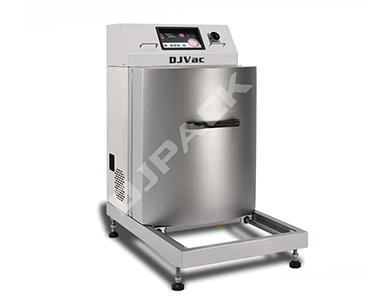
Core Scientific Principles Driving Air Isolation Performance
To understand why advanced packaging solutions outperform basic sealing tools, it is critical to break down the core scientific mechanisms at work. The first foundational principle is negative pressure extraction physics, which focuses on rapidly reducing internal air pressure inside sealed packaging cavities. Traditional manual sealing only limits external dust contact but leaves residual oxygen and water vapor trapped inside packages, accelerating item deterioration over time.
Professional vacuum-focused hardware adopts staged air pumping structures, gradually discharging mixed gas to reach a stable low-pressure environment. This process follows gas diffusion laws, ensuring micro-air molecules hidden in material gaps or product crevices are fully removed instead of superficial air extraction. Another key scientific support comes from barrier membrane material engineering. High-performance composite packaging films used with premium equipment feature multi-layer co-extrusion structures, blocking oxygen, nitrogen and moisture penetration at the molecular level.
Custom air pressure adjustment systems stand out as a practical scientific upgrade for diverse production needs. Different commodities carry unique air sensitivity: fresh meat requires deeper negative pressure to inhibit bacterial reproduction, while fragile electronic parts need mild air extraction to avoid structural damage. This adjustable scientific design makes modular packaging hardware far more adaptable than one-size-fits-all sealing devices for cross-industry production lines.
Key Benefits Backed By Material And Food Science
Beyond basic air removal, the scientific design of optimized packaging equipment delivers layered advantages that directly address buyer concerns about cost, product preservation and operational efficiency. One prominent merit is microbial inhibition through anaerobic environments. Most spoilage bacteria and mold are aerobic organisms; removing over 95% of internal oxygen restricts their metabolic activity and reproduction speed effectively.
For food producers, this scientific feature means fewer chemical preservatives are needed to meet shelf life standards, aligning with global clean label consumption trends verified by food safety research institutions. For hardware and hardware accessory manufacturers, low-humidity sealed environments prevent metal oxidation and rust, greatly reducing after-sales loss caused by storage damage.
Energy-efficient pressure circulation technology is another underrated scientific advantage embedded in modern units. Unlike outdated continuous pumping models, new-generation equipment uses intermittent pressure locking circulation, cutting long-term energy consumption by nearly 32% according to international packaging machinery energy consumption test reports. For medium and large factories with continuous packaging demands, this energy-saving design translates to stable operational cost reduction throughout the year.
Diverse Application Scenarios For Tailored Packaging Systems
Scientific design flexibility enables vacuum packaging equipment to cover fragmented and customized production scenarios, a key demand for modern enterprises with diversified product lines. In the fresh food processing industry, customized air extraction intensity and heat sealing temperature settings adapt to fruits, cooked foods, seafood and cured meat separately, avoiding extrusion damage or incomplete sealing caused by unified parameter settings.
In the pharmaceutical and medical supplies sector, dust-free negative pressure working modes meet medical-grade hygiene standards, preventing microbial contamination of sterile dressings, medicinal materials and laboratory reagents. Industrial hardware processing scenarios also rely heavily on customized solutions: metal parts, precision bearings and chemical raw materials need anti-corrosion and moisture-proof sealing, while textile products require mild air extraction to maintain fabric texture without compression deformation.
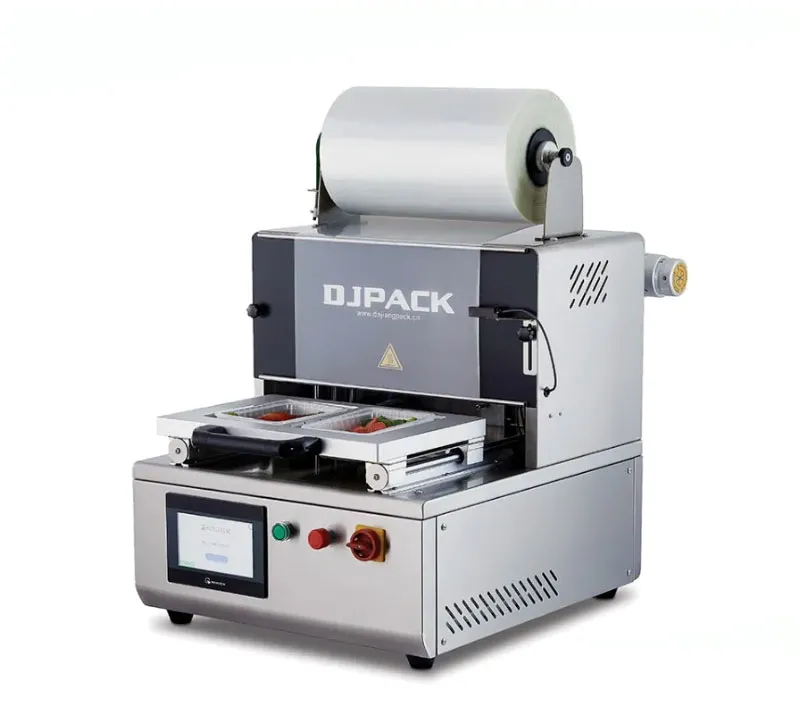
DJPACK focuses on scenario-based customized development, adjusting cavity size, sealing width and operating efficiency according to workshop space, daily output and product specifications. This user-centric customized service breaks the limitation of standard equipment and helps small-batch customized producers and large-scale assembly line factories find matching scientific packaging logic.
Vacuum-Based Packaging Solution VS Conventional Packaging Equipment
When selecting packaging hardware, many buyers struggle to choose between vacuum-driven systems and traditional ordinary sealing machines, inflatable packaging tools or hand wrapping equipment. From a scientific perspective, the gap in core protection capability is obvious and cannot be ignored in long-term production planning.
Conventional heat sealers only complete surface sealing without internal air treatment. Residual air leads to inevitable oxidation and moisture absorption, resulting in short storage cycles and high product scrap rates. Inflatable packaging machines focus on cushioning protection by filling inert gas, yet they cannot isolate moisture and corrosive air components, making them unsuitable for high-humidity storage environments or metal product packaging. Manual stretch wrapping relies on tight winding for fixation, with no barrier protection against bacteria and chemical erosion, only suitable for short-distance temporary transportation.
In contrast, the complete set of solutions supported by scientific air removal logic achieves dual protection of air isolation and physical sealing. The Vacuum Packaging Machine integrates precise pressure control, constant-temperature sealing and compatible material adaptation, balancing preservation effect, product integrity and operational cost. Although the initial investment is slightly higher than basic packaging tools, its long-term advantages in reducing waste, extending storage cycles and improving product market competitiveness create higher overall return on investment.
Different from universal packaging devices, this type of equipment can also be combined with nitrogen filling auxiliary modules to realize flexible switching between pure air extraction and modified atmosphere preservation, meeting higher-level preservation needs for high-value goods.
How To Choose Scientifically Compliant Packaging Equipment
Combining packaging science and actual production demands, enterprises need to focus on three core indicators when selecting supporting equipment: pressure control accuracy, material compatibility and operational scalability. First, accurate negative pressure adjustment is the core of scientific preservation. High-quality equipment supports fine-tuned pressure values to adapt to fragile, perishable and heavy-duty packaging demands.
Second, multi-material sealing compatibility ensures long-term use value. Excellent units can match various barrier films, composite bags and thickened industrial packaging materials, avoiding sealing cracking, air leakage or film melting caused by mismatched parameters. Third, scalable structural design reserves upgrade space for future production expansion, such as reserved module interfaces for automatic feeding, coding and assembly line docking.
DJPACK’s R&D team has long focused on combining packaging material science and mechanical structure optimization, optimizing every link from air pump operation efficiency to heat sealing uniform heating. Each piece of equipment undergoes strict pressure resistance, sealing durability and continuous operation testing before leaving the factory, fully complying with international industrial machinery safety and efficiency standards. For manufacturers pursuing standardized and scientific packaging processes, brand-certified equipment with complete technical support is always a more reliable long-term choice.
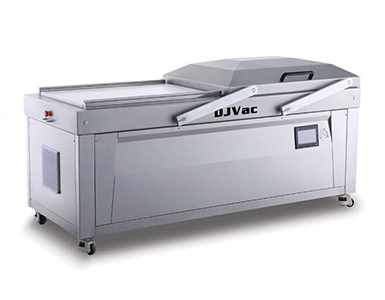
Conclusion
The value of modern vacuum packaging solutions never lies in simple air extraction, but in the systematic integration of physics, material science and industrial production logic. Every structural design and parameter adjustment is backed by rigorous scientific research and real industrial data, solving fundamental packaging pain points for various industries. As market demands for product quality and shelf life continue to rise, packaging equipment driven by professional scientific principles will become the standard configuration for high-quality production. Reasonably selecting tailored, scientifically sound packaging hardware can effectively reduce operational risks and create stable product competitive advantages for enterprises of all scales.





 English
 Pусский