
app-1.webp
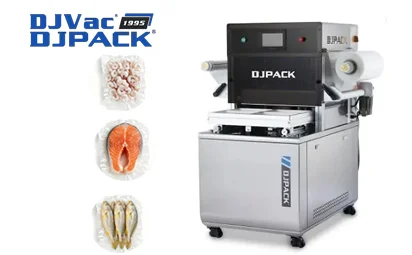
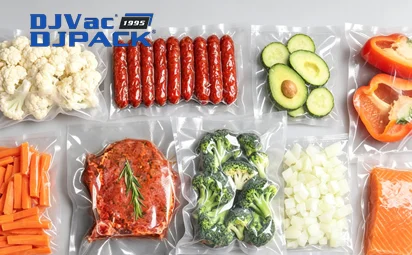
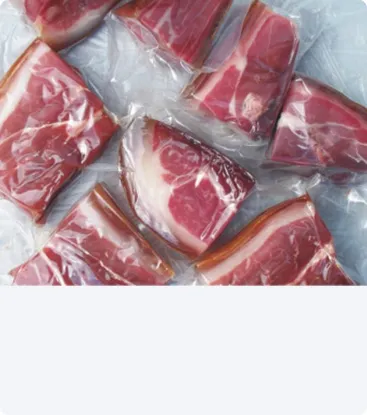
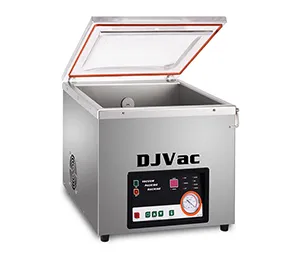
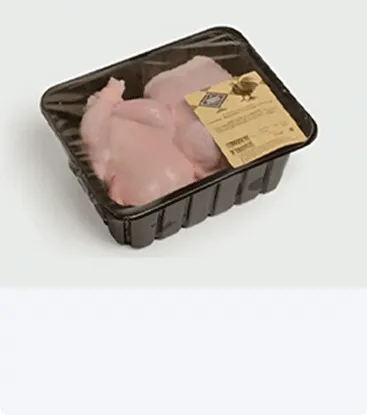
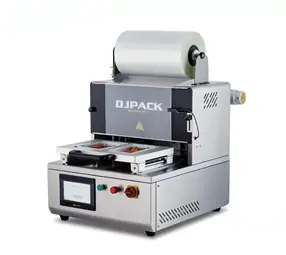
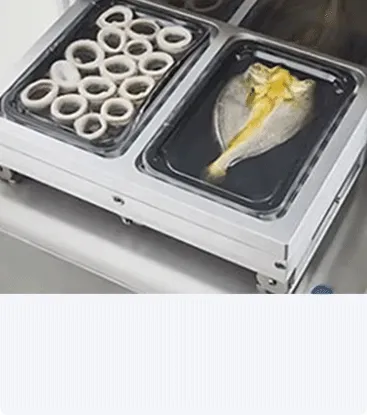
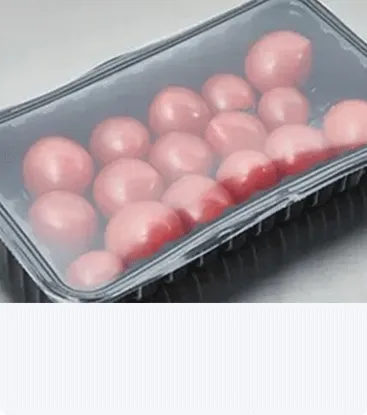
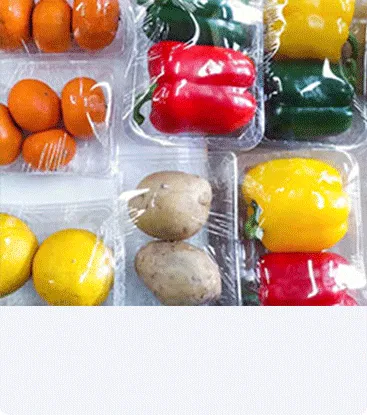
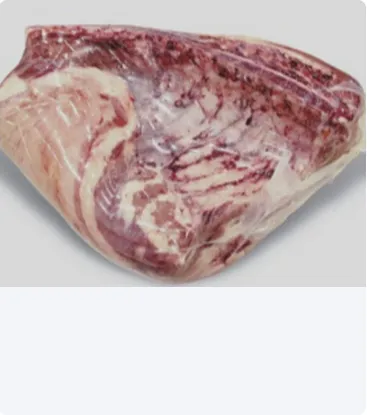
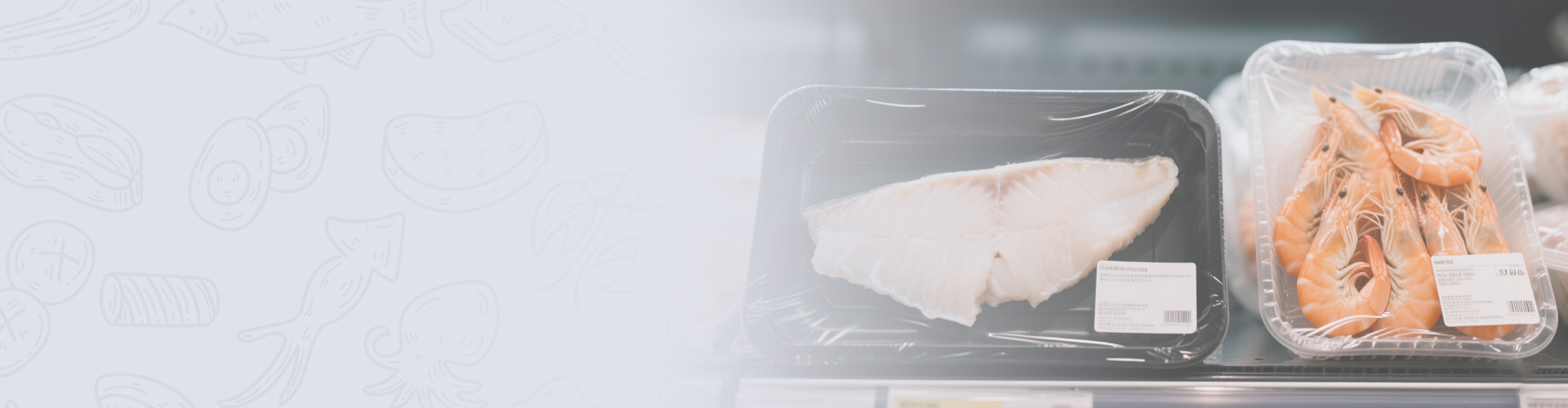
Our systems enhance food safety and efficiency, ideal for raw meat and seafood processing; vacuum sealers prevent oxidation for longer shelf life; MAP technology maintains freshness with optimized gas ratios for ready-to-eat meals and dairy products, perfect for high-volume food production lines.
app-2.webp
The equipment does not meet the standards and thus cannot pass the food safety inspection?

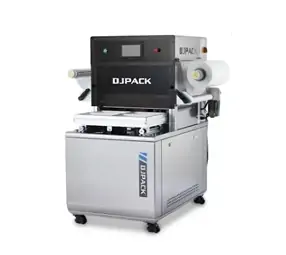
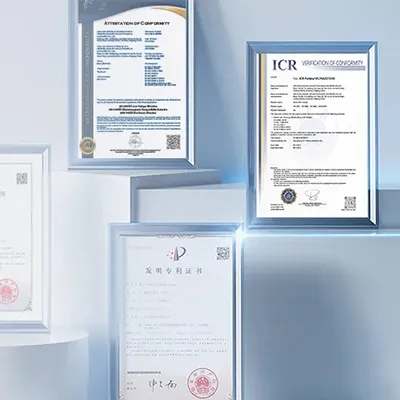
It has safety certification, is safe and reliable, has stable output, and is suitable for large-scale food processing in the food processing industry.
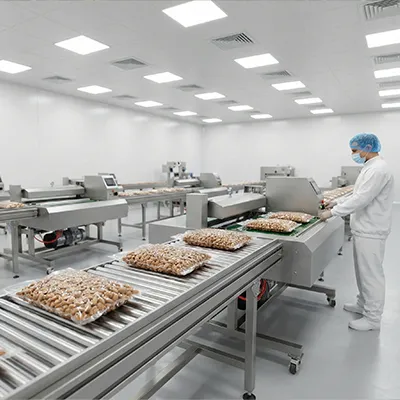
The production line is fast, but the packaging can't keep up with the production capacity?

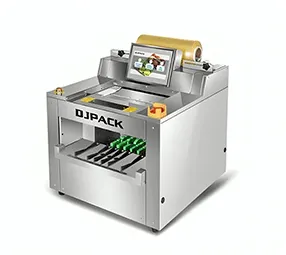
Fully automatic sealing at 100 times per minute, supporting assembly line linkage, capable of processing over 100,000 bags of food per day.
app-back.webp

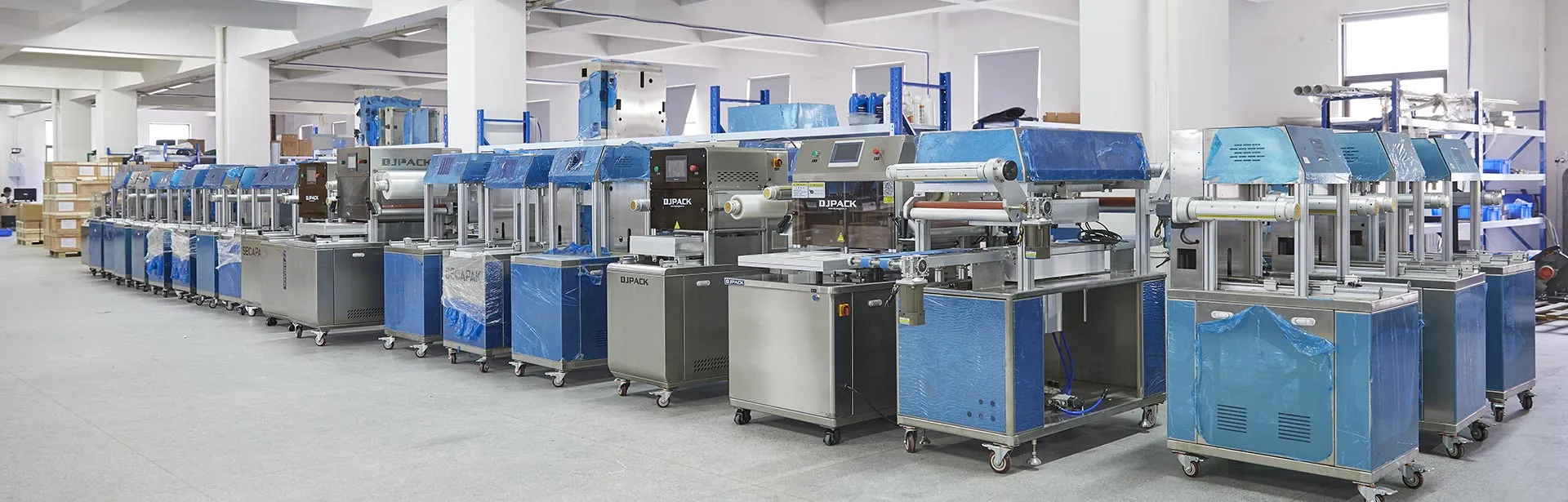
Customized for you

If you have special vacuum packaging needs, DJPACK's professional technical team can provide you with customized solutions. Whether it's special materials, shaped products or unique packaging specifications, our engineers will communicate closely with you. Feel free to contact our technical consultants to discuss your specific needs in detail.

Contact us

Which packaging method extends shelf life the longest?

- Vacuum sealing – Best for freezing

- MAP – Ideal for fresh foods (extends shelf life by 50-400%).  

- Skin packaging – Great for display but not the longest preservation.  

How do I choose the right packaging machine for my business?

Consider:  

- Product type (solid, liquid, food)  

- Production volume (small batch vs. industrial)  

- Shelf-life needs (short-term vs. long-term preservation)  

- Budget (entry-level vs. high-speed automated systems)  

Which industries benefit most from these packaging machines?

✔ Vacuum sealers – Food processing, meat/poultry, seafood, and meal prep.  

✔ MAP machines – Fresh produce, bakery, dairy, and ready-to-eat meals.  

✔ Skin packaging – Retail meats and seafood

What is the difference between vacuum sealing, MAP (Modified Atmosphere Packaging), and skin packaging?

- Vacuum sealing removes all air before sealing to prevent oxidation and spoilage.  

- MAP replaces air with a gas mix (e.g., nitrogen, CO₂) to preserve freshness.  

- Skin packaging uses a vacuum to tightly wrap a film around the product, creating a molded, secure presentation.  

FAQ

What types of vacuum packaging machines do you offer?

Perhaps you have other needs?

In order to ensure that the production fully meets your needs, we also offer a professional packaging customization service

Special packaging customization

Vacuum film material customization

Function Extension Service

Equipment cooperative optimization
Related Articles

/Vacuum-Packaged Products
Temperature Monitoring and Cold Chain Management for Vacuum-Packaged Products
Temperature control is the single most critical factor for vacuum-packaged food safety. This guide covers regulatory requirements, monitoring technologies, and best practices for cold chain management.
2026-07-10
/Vacuum Skin Packaging
Vacuum Skin Packaging for Bone‑In Meats and Seafood
Bone-in meats and irregular seafood pose unique packaging challenges. This guide explains how vacuum skin packaging delivers superior protection, presentation, and shelf life for these difficult-to-pack products.
2026-07-01
/Food Safety Considerations for Vacuum‑Packaged Fresh Products
Food Safety Considerations for Vacuum‑Packaged Fresh Products
Vacuum packaging removes oxygen — but that creates specific food safety risks. This guide explains the microbiological hazards, temperature control requirements, and HACCP considerations for fresh vacuum-packaged products.
2026-06-22

GET A QUOTE

GET IN TOUCH NOW
Captcha Code
We value your privacy
We use cookies to provide you with a better online experience, analyse and measure website usage, and assist in our marketing efforts.
Accept All