
In the global trade of food, electronics, and other perishable goods, packaging technology directly affects product quality and shelf life. Two popular solutions—Modified Atmosphere Packaging (MAP) and Vacuum Packaging—each have unique advantages, but choosing the right one requires matching your needs to their features. Below is a detailed comparison to help you make an informed decision, including insights on selecting the right vacuum packaging machine .
1. Basic Definitions & Working Principles
Understanding how each technology works is the first step to choosing wisely.
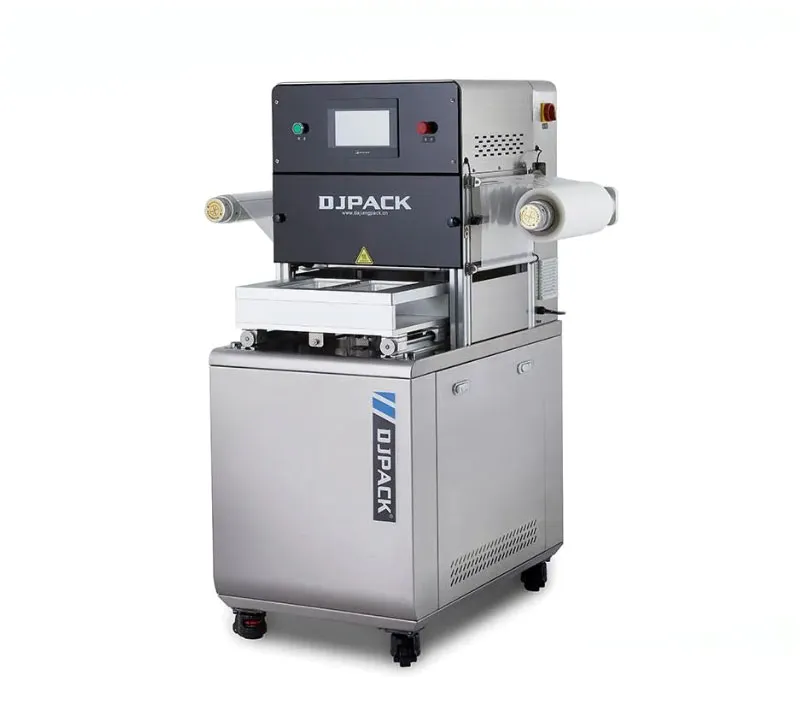
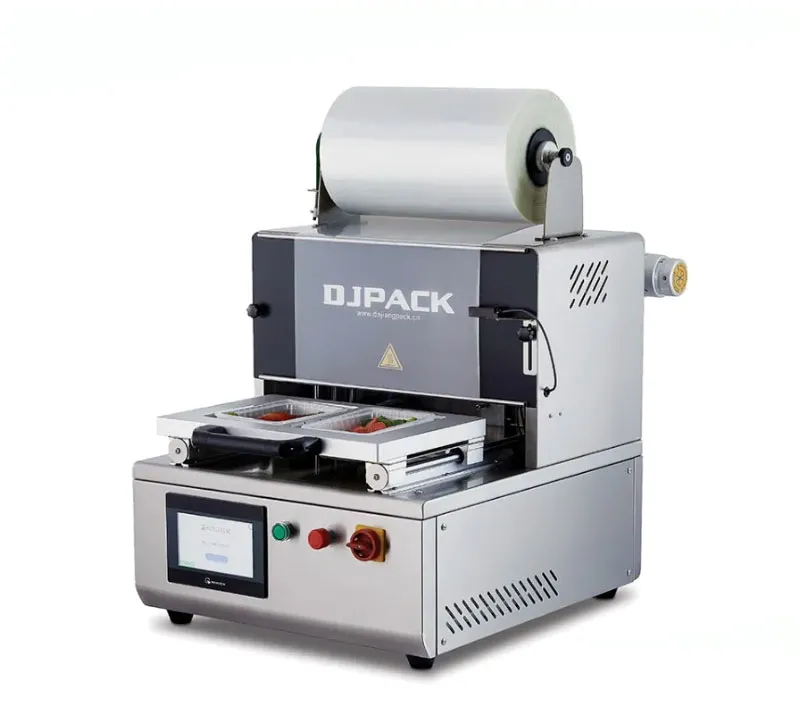
•Modified Atmosphere Packaging (MAP): This method replaces the air inside a package with a custom mixture of gases (usually nitrogen, oxygen, and carbon dioxide). The gas ratio is adjusted based on the product—for example, fresh meat may need more oxygen to retain its red color, while baked goods use nitrogen to prevent staling. MAP does not remove all air, so it’s ideal for products sensitive to pressure.
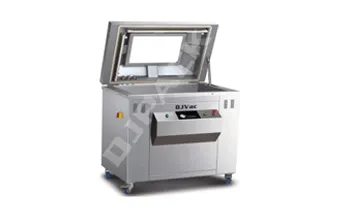
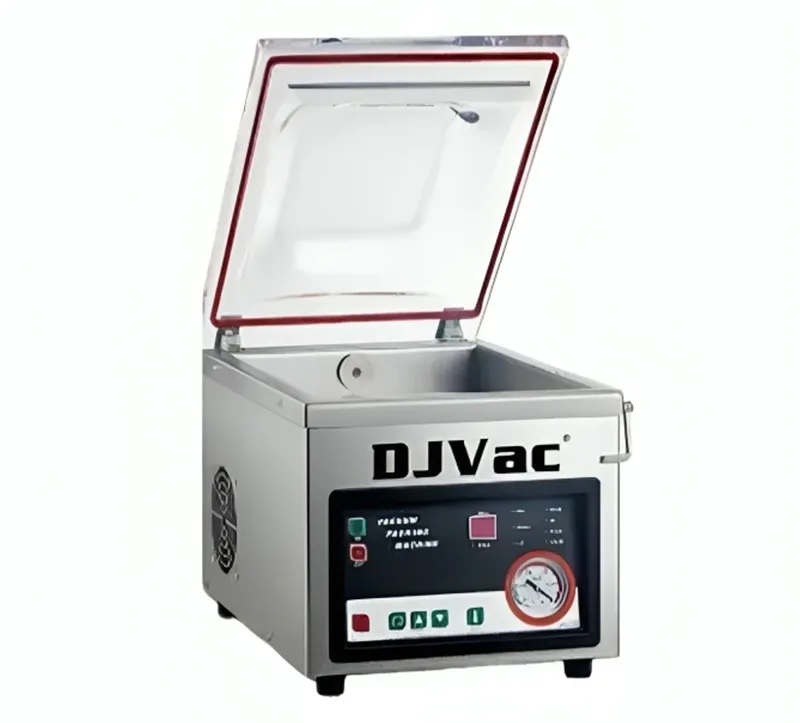
•Vacuum Packaging: This technique uses a vacuum packaging machine to remove almost all air (typically 95%+ oxygen reduction) from the package before hermetic sealing. By eliminating oxygen, it not only slows oxidation, mold growth, and bacterial activity (key spoilage factors) but also locks in product freshness and flavor without relying on gas mixture precision. Vacuum packaging is notably easy to operate—even new staff can master basic models in hours—and works well for non-fragile items like processed meats, dried fruits, or bulk grains, with minimal risk of packaging failure.
2. Key Differences to Compare
When evaluating MAP vs. vacuum packaging, focus on these three critical factors:
•Shelf Life Extension: Vacuum packaging typically extends shelf life by a reliable 2-4 times for most foods (e.g., cured meats, frozen vegetables) thanks to its stable oxygen-free environment—this effect is consistent across different storage conditions (e.g., refrigerated or ambient), making it easier to plan 外贸 shipping timelines. MAP can achieve 3-6 times longer shelf life for fresh produce but depends on precise gas ratios that may shift during long-distance transport.
•Product Compatibility: Vacuum packaging is not suitable for fragile items (like fresh berries) or expandable goods (like bread), but it excels for the majority of 外贸 products: from vacuum-sealed electronic components (preventing rust and dust damage) to bulk food items (reducing package volume for lower shipping costs). Unlike MAP, it doesn’t require product-specific gas formulas—one vacuum packaging machine can handle multiple product types.
•Cost & Complexity: Vacuum packaging has clear cost advantages: basic vacuum packaging machines are affordable (often 1/3 the cost of entry-level MAP equipment), easy to maintain (fewer moving parts), and use low-cost, widely available vacuum bags (no need for specialized gas-compatible materials). MAP, by contrast, needs gas tanks and precision mixing tools, leading to higher upfront and ongoing costs—only cost-effective for large-scale, single-product production.
3. How to Choose Based on Your Needs
Your product type and business goals will guide your choice, with vacuum packaging standing out for versatility:
•For Food Industry: If you sell fresh produce, baked goods, or delicate seafood, MAP is ideal. But for the most common food items—processed meats, jerky, frozen foods, or dried snacks—a vacuum packaging machine offers unbeatable simplicity, cost savings, and consistent freshness retention. It also supports portioned packaging (e.g., single-serve vacuum-sealed meals), a top trend in cross-border e-commerce.
•For Electronics/Metal Goods: Vacuum packaging is the undisputed top choice. It removes both moisture and oxygen (critical for preventing corrosion) and can be paired with anti-static materials for electronic parts—perfect for shipping to humid regions (e.g., Southeast Asia) or long-haul routes. Unlike MAP, it doesn’t risk gas leakage that could damage sensitive components.
•For Small vs. Large Businesses: Smaller businesses or those with diverse product lines should prioritize a vacuum packaging machine: it’s versatile (handles food, electronics, and textiles), requires minimal training, and can scale from manual to semi-automatic models as orders grow. Even large businesses with niche MAP needs often use vacuum packaging for secondary product lines to cut costs.
Conclusion
MAP and vacuum packaging both boost product quality, but vacuum packaging—paired with a reliable vacuum packaging machine—offers broader appeal for most businesses. It excels in cost-effectiveness, operational simplicity, and compatibility with high-demand products (from processed foods to electronics), while still delivering strong shelf life and freshness protection. MAP remains a great choice for delicate or high-value fresh goods, but vacuum packaging’s versatility makes it the go-to solution for businesses looking to balance performance and practicality.Ready to find the right vacuum packaging machine for your product line? Contact DJPACK team today for a free consultation—we’ll help you select a model that fits your budget, production scale, and packaging needs.





 English
 Pусский