
Selecting the right vacuum packaging machine is crucial for businesses in food processing, pharmaceutical supplies, and electronics protection. With various models available—from compact chamber vacuum machines to automated rotary vacuum packaging systems—making an informed choice requires careful analysis. A poorly selected machine can lead to inadequate sealing, product waste, and operational inefficiencies. This guide outlines five essential factors to help you identify the ideal vacuum packaging machine for your production needs.
1. Match the Machine Type to Your Product and Production Scale
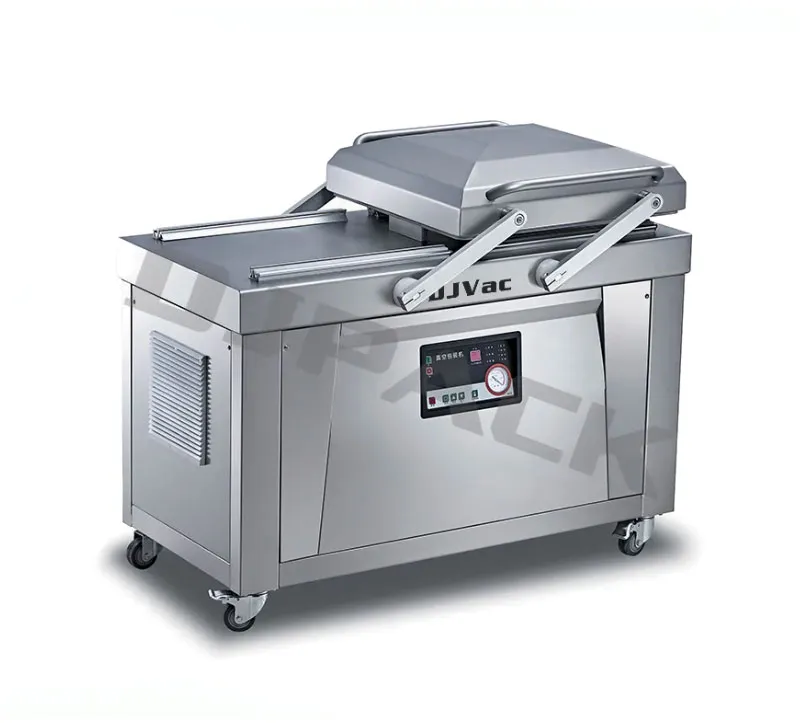
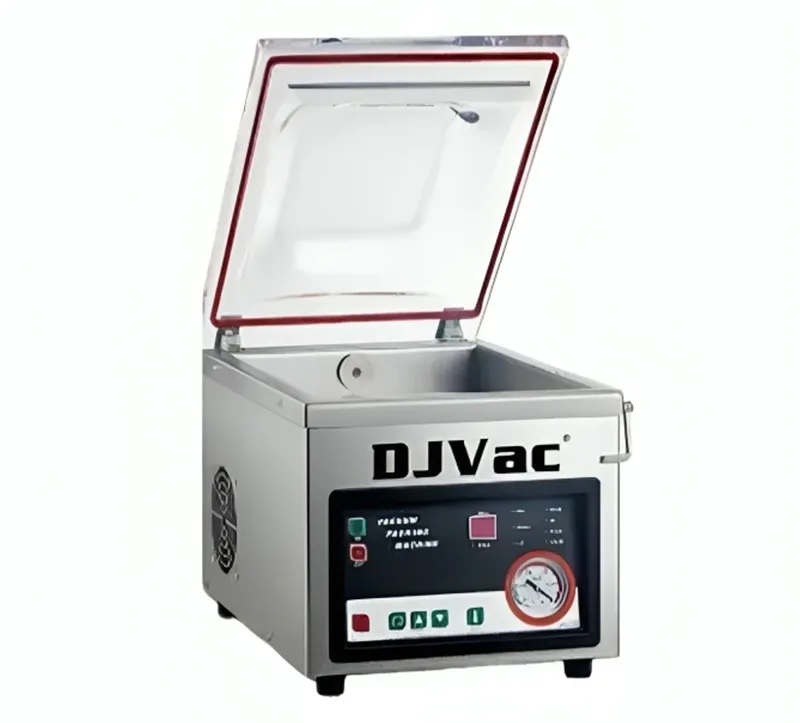
The first decision involves selecting the appropriate machine configuration. Single-chamber vacuum machines are suitable for small batches or bulky items, while Double Chamber Vacuum Packaging Machine enable continuous operation by alternating between chambers. For high-volume environments, an automatic vacuum packaging machine with conveyor belts significantly boosts output. Consider products with high moisture or oil content—external vacuum sealers may cause liquid extraction, whereas chamber vacuum machines encapsulate liquids effectively by vacuumizing the entire chamber.
2. Evaluate Vacuum Performance and Sealing Reliability
Critical to preservation is the machine’s ability to achieve deep vacuum levels and consistent seals. Check the vacuum degree (measured in bar or Pascal) and sealing bar strength. For sensitive applications like medical device packaging, a vacuum packaging machine with gas flushing prevents oxidation. Inspect the sealing bar material—ceramic bars offer durability for abrasive packaging films. Machines equipped with programmable vacuum and sealing cycles provide flexibility for diverse products, from delicate baked goods to robust industrial parts.
3. Assess Operational Efficiency and Ease of Use
Operational features directly impact productivity and staff adaptation. Automatic vacuum packaging equipment with touchscreen controls and memory settings simplifies changeovers. Look for stainless steel construction in food-grade environments to ensure hygiene and corrosion resistance. For factories with space constraints, a benchtop vacuum sealer offers compact efficiency, while large-scale operations may require tunnel vacuum systems integrated into production lines. Features like oil-less vacuum pumps reduce maintenance, ideal for food processing zones where contamination is a concern.
4. Consider Packaging Material Compatibility and Cost
The machine must work seamlessly with your chosen films and pouches. Verify compatibility with common materials like PA/PE, PET/PE, or multi-layer laminates. Some industrial vacuum packaging machines accommodate thick or anti-fog films for fresh produce. Calculate long-term costs: while chamber bag vacuum machines use gusseted bags that are cost-effective for large items, external suction sealers work with standard pouches but may struggle with moist contents. A vacuum packer with adjustable sealing time and temperature ensures optimal results across different materials.
5. Verify After-Sales Support and Customization Options
Technical support and service responsiveness are vital for minimizing downtime. Choose suppliers who provide comprehensive training, readily available spare parts for vacuum packaging machines, and clear maintenance guidelines. If your products have unique requirements—such as irregular shapes or sensitivity to pressure—inquire about customized vacuum packaging solutions. Reputable manufacturers often offer performance guarantees and can tailor machine specifications, such as extended sealing bars or specialized tray designs.
Find Your Ideal Vacuum Packaging Solution
Choosing a vacuum packaging machine involves balancing technical specs, operational needs, and budgetary constraints. By prioritizing these five factors, you can invest in equipment that enhances product shelf life, improves efficiency, and supports business growth.
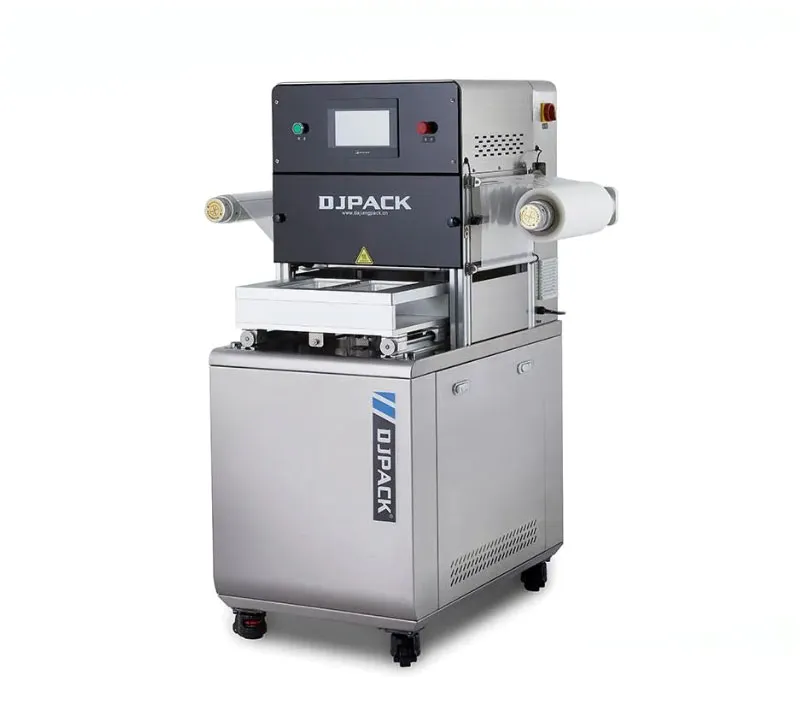
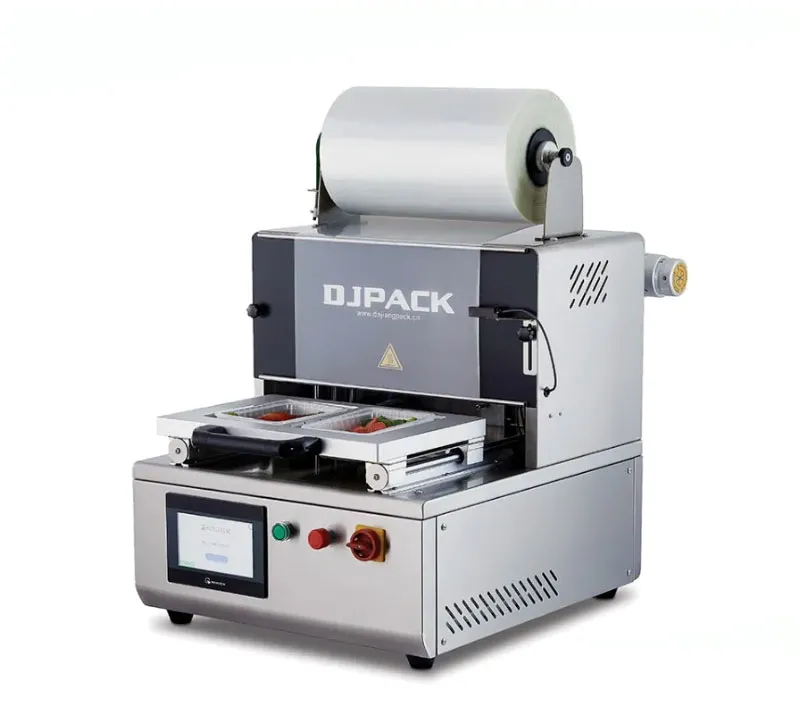
At DJPACK, we specialize in manufacturing robust and versatile vacuum packaging machinery tailored to diverse industries. Our experts are ready to help you navigate these considerations and select the perfect model for your line.
Contact DJPACK today for a free consultation and request a live machine demonstration. Let’s optimize your packaging process together!
This article is co-authored by industry experts and AI, with AI-generated content accounting for less than 30%, aiming to provide practical guidance.





 English
 Pусский