
Introduction: Answering the Buyer’s Query
If you’re searching for ways to extend the shelf life of food, reduce waste, and maintain quality, you’ve likely heard about vacuum packaging machines. In simple terms, a vacuum packaging machine is a device that removes air from a package before sealing it, creating an oxygen-free environment that slows down spoilage. But it’s more than just a tool—it’s a game-changer for food preservation. Whether you’re a restaurant owner battling food costs, a home cook aiming to reduce waste, or a food producer ensuring compliance, this technology addresses real-world pain points. Studies from the USDA highlight that vacuum packaging can extend food shelf life by 3-5 times compared to traditional methods, directly tackling issues like spoilage and financial loss. In this article, we’ll explore how vacuum packaging machines work, their benefits, and why brands like DJPACK are leading the way with customized solutions. Let’s dive in.
What Is a Vacuum Packaging Machine?
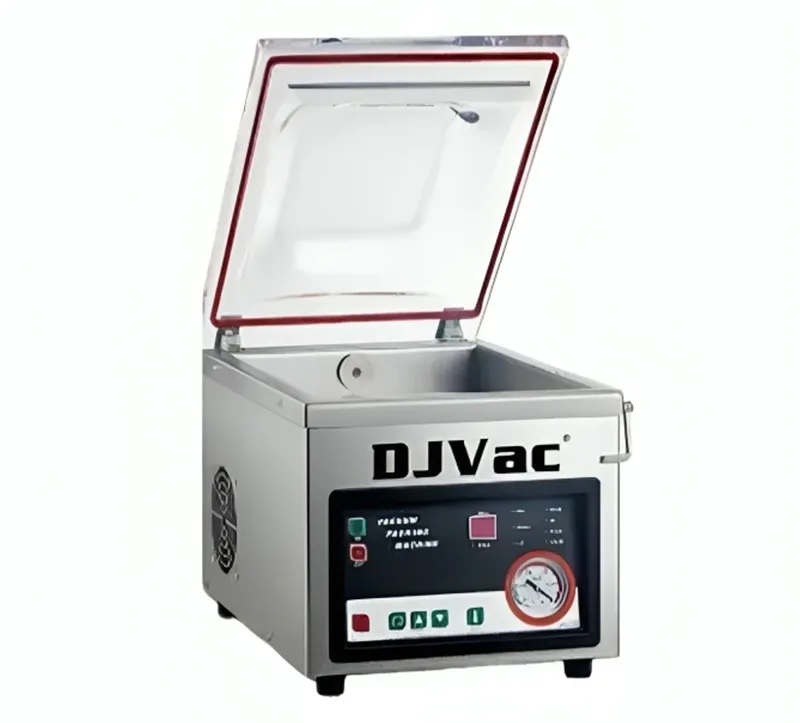
A vacuum packaging machine is a specialized equipment designed to remove air from a package and seal it tightly. These machines come in various types, including chamber models for industrial use and external suction devices for home kitchens. The core principle revolves around eliminating oxygen, which is a primary catalyst for bacterial growth, oxidation, and moisture loss. For buyers, understanding the mechanics is crucial. Imagine you’re a small-scale farmer looking to preserve seasonal produce: a vacuum packaging machine allows you to package goods in a way that locks in freshness, texture, and nutrients. Unlike simple zip-lock bags, these machines ensure a hermetic seal, which is vital for long-term storage. Brands like DJPACK offer models tailored to different needs, from compact units for artisans to heavy-duty systems for factories. This versatility makes the vacuum packaging machine a must-have in modern food handling.
The Science Behind Vacuum Packaging: How It Works
To appreciate how a vacuum packaging machine revolutionizes preservation, let’s break down the process. First, the item—say, a cut of meat or batch of vegetables—is placed in a specialized bag. The machine then extracts air using a pump, creating a vacuum. Once the air is removed, heat seals the bag’s edges, forming an airtight barrier. This process inhibits the growth of aerobic bacteria and fungi, which require oxygen to thrive. According to research from the Food and Agriculture Organization (FAO), vacuum packaging can reduce microbial activity by up to 90%, significantly slowing decay. For example, in a commercial kitchen, a chef might use a DJPACK machine to prep meals in advance, ensuring ingredients stay fresh for days without freezer burn. The science isn’t just about removing air; it’s about creating a stable environment that preserves taste and safety. This makes the vacuum packaging machine a reliable partner in reducing food waste, a concern highlighted by the WHO’s reports on global sustainability.
Key Benefits: How Vacuum Packaging Transforms Food Preservation
The adoption of a vacuum packaging machine brings tangible benefits that address buyer frustrations. Here’s a breakdown:
-
Extended Shelf Life: By removing oxygen, these machines can keep foods fresh for weeks or months longer. For instance, meats that typically last 3-5 days in the fridge can remain safe for up to 3 weeks when vacuum-sealed. This is backed by data from the National Center for Home Food Preservation, which notes a 50-70% reduction in spoilage rates.
-
Enhanced Food Quality: Vacuum sealing locks in flavors, colors, and textures. Imagine a coffee roaster using a DJPACK machine to package beans—this prevents staleness and maintains aroma, directly boosting customer satisfaction.
-
Cost Efficiency: For businesses, reducing waste translates to savings. A study by the Waste and Resources Action Programme (WRAP) found that restaurants using vacuum packaging machines cut food costs by 15-20% annually.
-
Space Optimization: Vacuum-sealed items take up less space, ideal for crowded freezers or storage areas.
These advantages show why investing in a vacuum packaging machine isn’t just a purchase—it’s a strategic move toward efficiency.
Real-World Applications: Scenarios Where Vacuum Packaging Shines
To make this relatable, let’s explore everyday scenarios. In a busy restaurant, a vacuum packaging machine allows chefs to batch-prep ingredients without fear of spoilage. Picture a seaside eatery: fresh fish vacuum-sealed with a DJPACK unit can be stored for special events, reducing last-minute rushes. For home users, it’s about meal prepping—sealing portions for the week to avoid takeout temptations. In agriculture, farmers use these machines to preserve harvests, aligning with farm-to-table trends. Even in niche areas like camping or boating, vacuum-sealed meals ensure safety and convenience. These examples underscore how a vacuum packaging machine adapts to diverse needs, making it a versatile tool rather than a niche gadget.
Customization and Support: Why DJPACK Stands Out
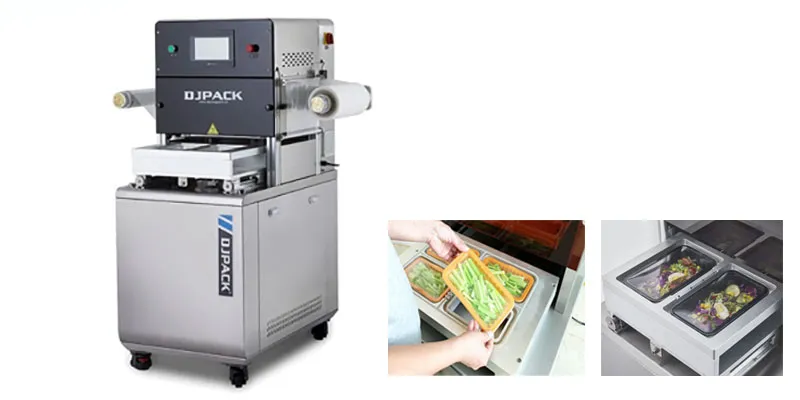
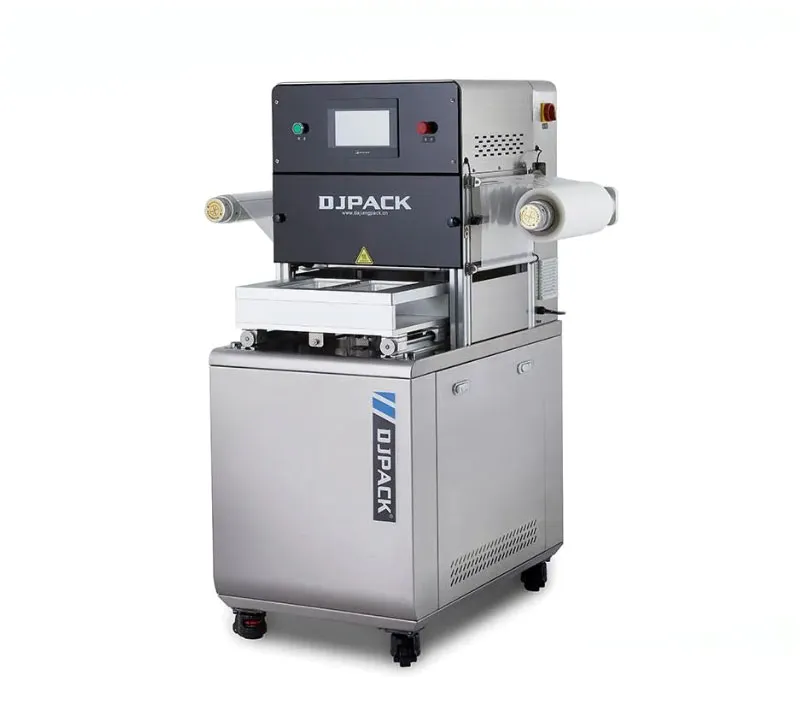
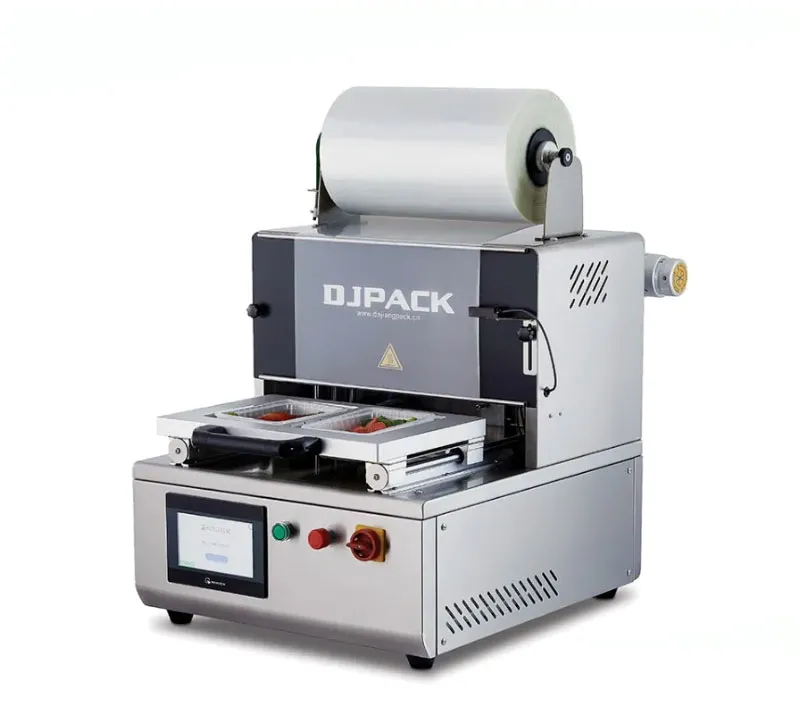
While any vacuum packaging machine offers basic benefits, DJPACK elevates the experience through customization. Buyers often struggle with one-size-fits-all solutions, but DJPACK provides tailored options. For example, a bakery might need gentle sealing for delicate pastries, while a butcher requires heavy-duty cycles for meats. DJPACK’s machines come with adjustable settings, durable materials, and expert consultations. Their support includes training on optimal usage, ensuring buyers maximize ROI. Additionally, DJPACK offers scalable models, so as your business grows, the machine grows with you. This focus on personalized service—backed by warranties and responsive support—makes DJPACK a trusted name in the vacuum packaging machine market.
Choosing the Right Machine: A Buyer’s Guide
Selecting a vacuum packaging machine can be overwhelming. Here’s a practical guide:
-
Assess Your Volume: For low-volume homes, a handheld vacuum packaging machine suffices, while industries might need chamber models.
-
Consider Bag Compatibility: Ensure the machine works with affordable, food-safe bags. DJPACK machines, for instance, support various bag types to reduce long-term costs.
-
Look for Features: Pulse functions for fragile items or dry-mode settings for powders can be game-changers.
-
Prioritize Durability: Check for stainless-steel components, especially in humid environments.
By focusing on these factors, buyers can avoid pitfalls and invest wisely. DJPACK’s website offers comparison tools to simplify this process, demonstrating their user-centric approach.
Conclusion: Take the Next Step Toward Smarter Preservation
A vacuum packaging machine is more than equipment—it’s a solution to real problems like waste, cost, and quality control. From extending shelf life to enabling customization, this technology empowers buyers across sectors. Brands like DJPACK enhance this with reliable, adaptable options. If you’re ready to transform your food preservation strategy, explore DJPACK’s range today. Visit our product page to find the perfect fit for your needs. Don’t let spoilage drain your resources—embrace innovation now!





 English
 Pусский