
Vacuum packaging is widely recognized for extending the shelf life of fresh meat, seafood, and prepared foods. Removing oxygen, it slows the growth of spoilage organisms that cause off-odors, discoloration, and texture breakdown. But there is a lesser-known trade-off: the absence of oxygen creates an environment where certain dangerous bacteria — particularly Clostridium botulinum — can thrive.
This guide explains the key food safety hazards associated with vacuum-packaged fresh products, the regulatory frameworks that govern their production, and the practical controls that operators must implement. Whether you are a small butcher shop, a seafood processor, or a central kitchen, understanding these risks is essential before investing in vacuum packaging equipment.
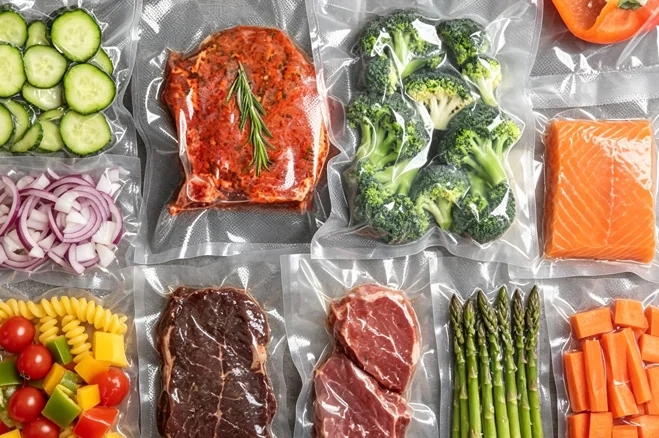
The Primary Microbiological Hazard: Clostridium botulinum in Reduced Oxygen Environments
The principal microbiological safety hazard for vacuum and modified atmosphere packaged (MAP) chilled foods is foodborne botulism, caused by non-proteolytic Clostridium botulinum. This bacterium is an obligate anaerobe — it thrives in the absence of oxygen, exactly the condition that vacuum packaging creates.
Why this matters to your operation:
-
As little as 30 ng of botulinum neurotoxin is sufficient to cause illness and even death.
-
Non-proteolytic C. botulinum can grow and produce toxin at temperatures as low as 3°C (37.4°F). This means standard refrigeration alone — if not properly controlled — may not be sufficient to prevent toxin formation.
-
The bacteria are commonly found in the environment, meaning they can be present on raw meat, fish, and vegetables before packaging.
What this means for your equipment and process:
-
Vacuum packaging equipment must achieve consistent, reliable seals. Any micro-leak can allow oxygen ingress — but more critically, it can also allow contamination.
-
Temperature monitoring from the moment of packaging through cold storage and transport is not optional; it is a food safety requirement.
According to the U.S. Food and Drug Administration (FDA), the hazard of C. botulinum growth and toxin formation is considered reasonably likely to occur in fish and fishery products in reduced oxygen packaging (ROP). The FDA’s Fish and Fishery Products Hazards and Controls Guidance (June 2022 edition) provides extensive science-based controls for this hazard. This guidance has become the foundation of fish and fishery product regulatory programs around the world.
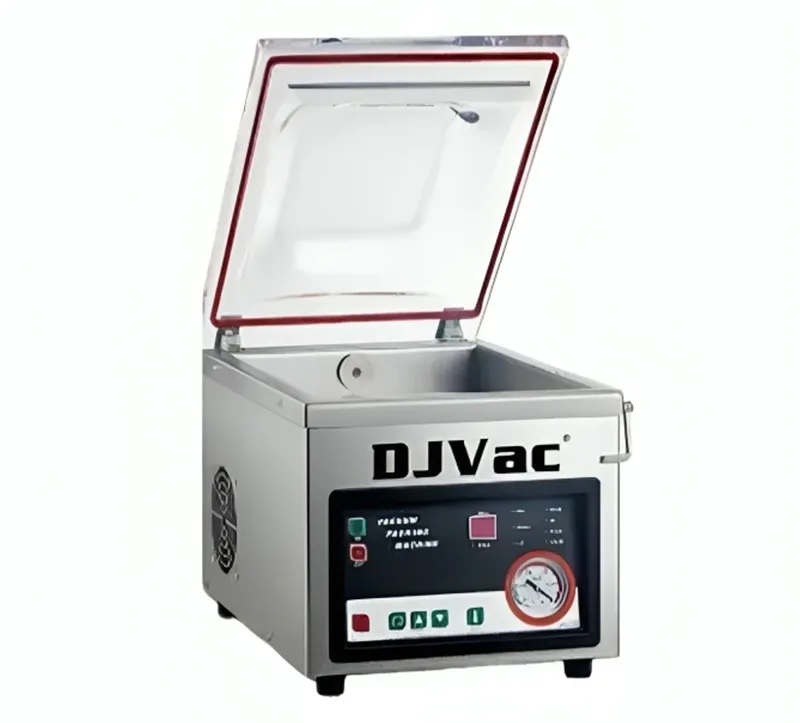
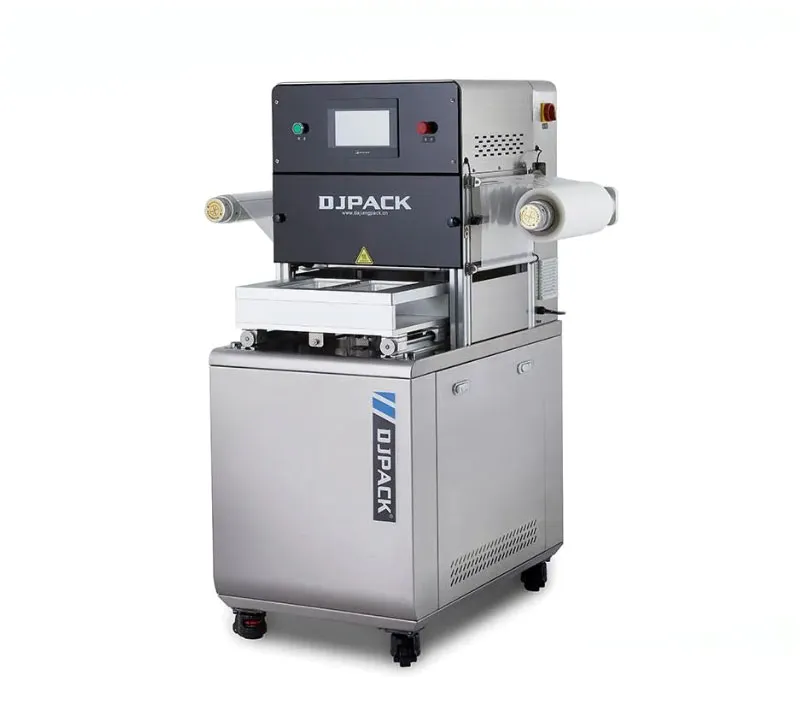
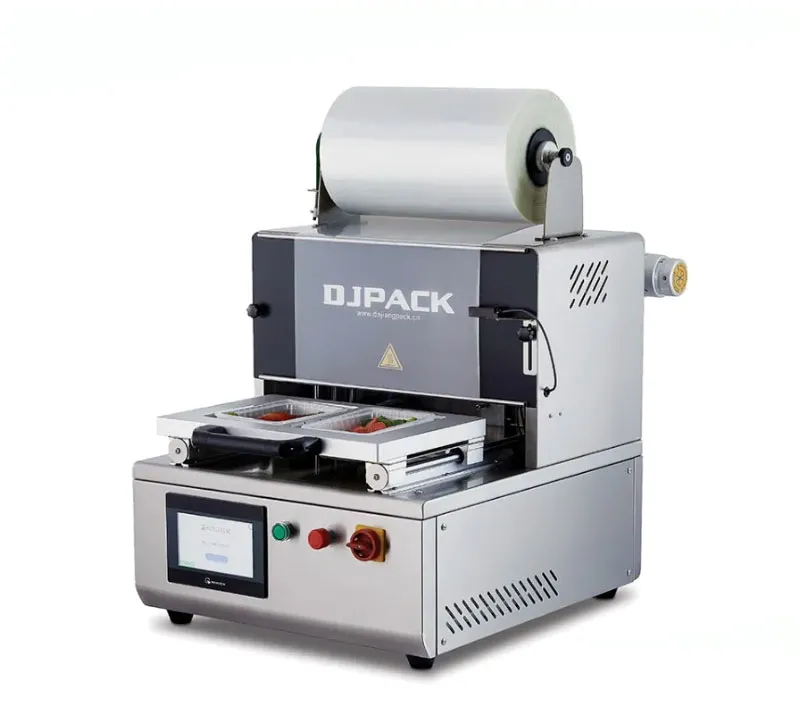
To understand how different vacuum packaging equipment types — from chamber sealers to automatic belt systems — support consistent seal integrity and temperature monitoring, explore our range of vacuum packaging machinery designed for food safety compliance.
Temperature Control — The Critical Factor That Determines Safety
Temperature management is the single most important control measure for vacuum-packaged fresh products. The UK Food Standards Agency (FSA) , which has published comprehensive guidance on the safety and shelf-life of vacuum and MAP chilled foods, makes this clear: non-proteolytic C. botulinum is able to grow and produce toxin at temperatures of 3°C and above.
Temperature control requirements by product type:
| Product Category | Critical Temperature | Rationale |
|---|---|---|
| Fresh meat, poultry, seafood (vacuum packaged, chilled) | Must be stored at ≤3°C (37.4°F) | Prevents growth of non-proteolytic C. botulinum |
| Reduced oxygen packaged (ROP) fish | FDA considers ROP a reasonably likely hazard; strict temperature control is required | C. botulinum type E can grow at 3.3°C (38°F) |
| Frozen products | Must remain frozen until use | Freezing prevents bacterial growth |
| Products with > 10-day shelf-life | Requires additional controlling factors beyond temperature | An extended shelf-life increases the risk of botulism |
What this means for your facility:
-
Your cold chain — from the packaging room to the retail display case — must be validated to maintain ≤3°C consistently.
-
Temperature fluctuations during loading, transport, or storage can create conditions where C. botulinum can grow.
-
Equipment that enables rapid packaging and immediate chilling reduces the time the product spends in the temperature danger zone.
The Advisory Committee on the Microbiological Safety of Food (ACMSF), which provides independent scientific advice to UK food safety authorities, recommended a maximum 10-day shelf-life for vacuum and modified atmosphere packed foods stored at temperatures between 3°C and ≤8°C when other specified controlling factors could not be identified. This “10-day rule” has become a foundational principle in vacuum packaging food safety guidance worldwide. The ACMSF’s 1992 report on “Vacuum Packaging and Associated Processes” forms the main evidence base for subsequent FSA guidance.
Beyond Botulism — Other Pathogens of Concern
While C. botulinum is the primary safety hazard in vacuum packaging, it is not the only one. Food safety authorities require operators to consider multiple pathogens.
Listeria monocytogenes is particularly concerning because:
-
It is capable of growing at temperatures below 0°C.
-
It can survive under low-oxygen conditions.
-
Vacuum packaging suppresses its growth compared to aerobic conditions (by 10- to 100-fold in some studies), but does not eliminate the risk entirely.
Other pathogens that require attention:
-
Salmonella, Yersinia, Campylobacter, pathogenic E. coli, and Clostridium perfringens are all associated with vacuum-packaged products.
-
Cross-contamination risks increase if the same equipment is used for raw and ready-to-eat products without proper sanitation.
What this means for your operation:
-
HACCP-based procedures must address all relevant pathogens, not just C. botulinum.
-
Equipment design matters: machines with 304 stainless steel construction, smooth surfaces, and removable sealing components are easier to sanitize and reduce cross-contamination risk.
For a detailed look at how equipment design — including material selection and cleanability — impacts food safety across different product categories, visit our solutions section for industry-specific packaging applications.
Five Critical Controls for Safe Vacuum Packaging Operations
Based on guidance from the FDA, USDA, FSA, and ACMSF, here are five essential controls every vacuum packaging operation should implement.
Control 1: Establish and validate temperature control
-
Monitor and record temperatures from packaging through to retail or consumption.
-
Ensure refrigeration maintains ≤3°C (37.4°F) for vacuum-packaged chilled products.
-
Why it matters: Temperature is the primary barrier against C. botulinum growth.
Control 2: Implement the 10-day shelf-life rule (or apply additional controls)
-
If your product has a shelf-life of 10 days or less and is stored at 3–8°C, the risk is considered minimal.
-
If shelf-life exceeds 10 days, you must implement additional controlling factors — such as heat treatment, pH control, water activity reduction, or preservatives.
-
Why it matters: Extended shelf-life without additional controls increases botulism risk substantially.
Control 3: Ensure seal integrity through equipment maintenance
-
Visually inspect packages for evidence of spoilage.
-
Test for micro-leaks using appropriate integrity testing methods.
-
Maintain sealing surfaces to prevent defects caused by food particles and moisture.
-
Why it matters: A compromised seal allows oxygen ingress (reducing shelf life) and potential contamination.
Control 4: Implement proper labeling
-
All VP/MAP foods should be labeled with recommended storage temperatures and use-by dates.
-
For frozen products, label must state “IMPORTANT: KEEP FROZEN UNTIL USE”.
-
Why it matters: Clear labeling ensures that downstream handlers (distributors, retailers, consumers) maintain proper storage conditions.
Control 5: Train staff on food safety procedures
-
Establish initial and continuing employee training to ensure adequate knowledge of product processing and handling procedures.
-
Include proper loading, sealing, cleaning, and temperature monitoring in training programs.
-
Why it matters: Even the best equipment cannot compensate for improper operation.
Real-World Application — Two Contrasting Scenarios
Scenario A: Small butcher shop, vacuum packaging 200 primal cuts per week
-
Products: Fresh beef subprimals, vacuum packaged for wet-aging (14–21 days).
-
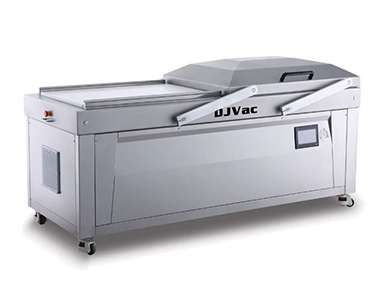
Key safety considerations: Shelf-life exceeds 10 days, so additional controlling factors are required. The shop must demonstrate that its aging process (temperature ≤3°C, consistent monitoring, proper seal integrity) controls C. botulinum risk.
-
Equipment implication: A double-chamber vacuum sealer with reliable seal performance and temperature logging capability.
Scenario B: Seafood processor packaging 1,500 trays of vacuum-packed salmon fillets daily
-
Products: Fresh salmon, vacuum packaged with a 7-day shelf-life.
-
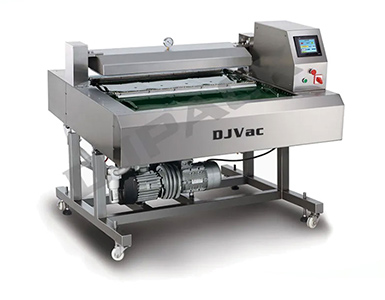
Key safety considerations: FDA considers C. botulinum a reasonably likely hazard in reduced oxygen packaged fish. Shelf-life is under 10 days, so the primary control is maintaining ≤3°C throughout the cold chain.
-
Equipment implication: A continuous belt vacuum sealer or tray sealer with rapid cycle times to minimize time between packaging and chilling, plus integrated temperature monitoring.
Next Steps — From Safety Considerations to Equipment Selection
You have now identified the key food safety hazards associated with vacuum-packaged fresh products — C. botulinum being the primary concern — and the critical controls required: temperature management, shelf-life determination, seal integrity, labeling, and staff training.
The next logical step is to evaluate how different vacuum packaging equipment types support these controls. For example:
-
Does the machine achieve consistent vacuum levels to ensure complete oxygen removal?
-
Are sealing surfaces designed to handle wet or marinated products without compromising seal integrity?
-
Does the equipment allow for easy cleaning and sanitation between product runs?
-
Can the machine be integrated with temperature monitoring systems?
These are not just performance questions — they are food safety questions. The equipment you choose directly affects your ability to implement the controls outlined in this guide.
Related Reading
-
How to Select the Right Vacuum Packaging Equipment for Fresh Meat Preservation
-
Temperature Monitoring and Cold Chain Management for Vacuum-Packaged Products
-
Understanding the 10-Day Shelf-Life Rule for Vacuum and MAP Foods
-
HACCP Implementation for Vacuum Packaging Operations
-
Seal Integrity Testing Methods for Vacuum Packaging





 English
 Pусский