
Many manufacturers assume that faster equipment automatically means better production efficiency. In reality, packaging problems often begin after installation rather than before purchase.
A food factory may discover that sealing quality becomes unstable during long production shifts. A frozen seafood processor may realise the equipment cannot handle moisture-heavy products consistently. Some factories even face unexpected downtime because cleaning procedures take longer than expected.
These issues are common in commercial production environments where packaging systems operate continuously for many hours each day. Choosing the right equipment is not only about output speed. It is about long-term compatibility with the actual production process.
Understand Your Real Production Requirements
Before comparing different models, manufacturers should first evaluate their own production conditions carefully.
Several important questions should be answered early in the selection process:
• What products will be packaged
• How many units are processed daily
• What type of packaging film is used
• Whether products contain oil, moisture, or sharp edges
• How often is cleaning required
• Whether the factory plans future automation upgrades
For example, a factory producing frozen meat products usually requires stronger vacuum performance and larger chamber space than a bakery packaging dry snacks. Meanwhile, central kitchens often place greater importance on cleaning accessibility and hygienic structure.
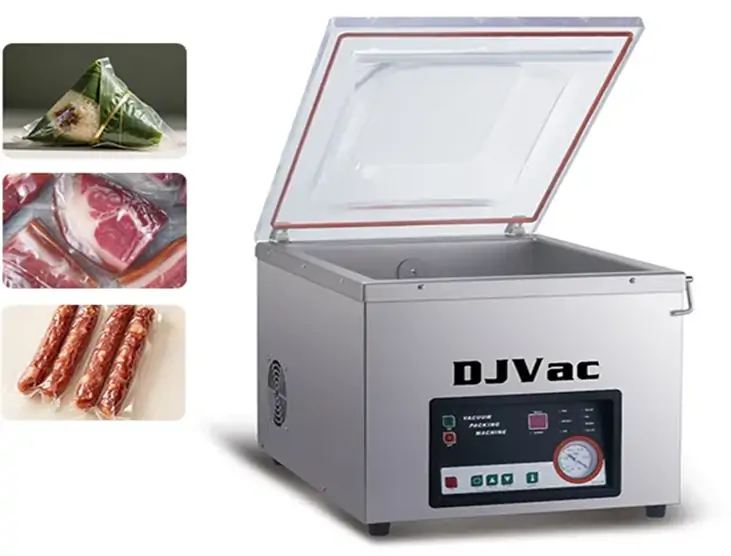
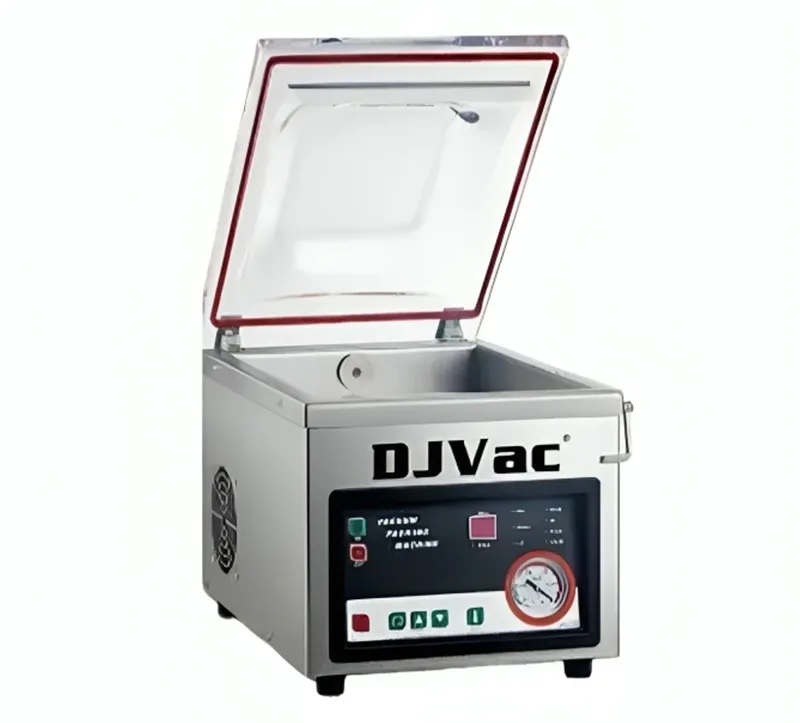
Factories expanding production capacity often begin researching chamber-based sealing systems suitable for continuous operation because flexibility becomes increasingly important during seasonal demand changes.
Semi Automatic or Fully Automatic
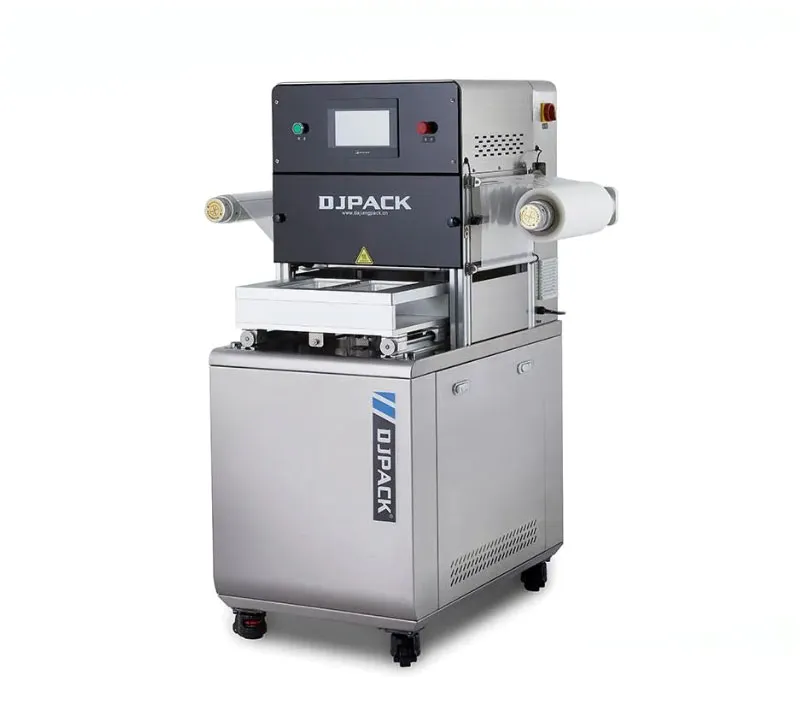
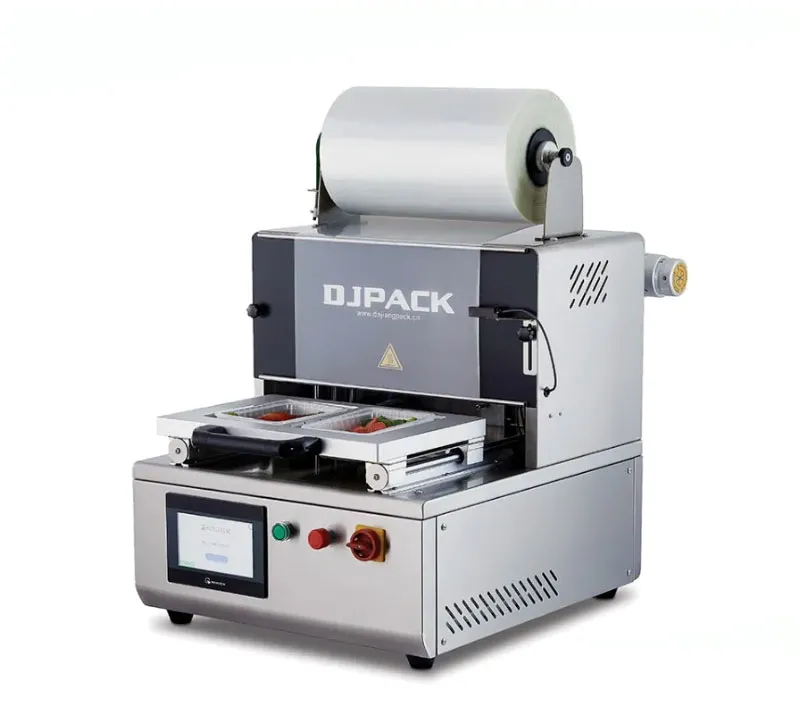
One of the most important decisions involves choosing between semi-automatic equipment and fully automated production lines.
Smaller manufacturers with changing product sizes may prefer semi-automatic systems because they are easier to adjust during product switching. Larger factories with stable output targets often prioritise automation to reduce labour dependence and improve production consistency.
The right choice depends on production goals rather than machine complexity.
| Comparison Area | Semi Automatic Systems | Fully Automatic Systems |
| Initial investment | Lower | Higher |
| Labor requirement | Moderate | Lower |
| Product flexibility | Strong | Moderate |
| Production consistency | Depends on the operator | Stable |
| Maintenance complexity | Simpler | More advanced |
| Best suited for | Smaller batch production | Large continuous production |
According to food packaging industry reports and ISO production guidance, manufacturers are increasingly focusing on consistency and operational stability instead of only pursuing higher speed. Stable sealing quality can reduce product waste and improve shelf life during transportation.
This is especially important for exporters handling frozen food, seafood, prepared meals, and temperature-sensitive products.
Pump Performance Has a Major Impact on Reliability
In industrial packaging equipment, pump quality directly affects sealing consistency and long-term reliability.
Some low-cost systems perform well during short demonstrations but gradually lose vacuum stability during extended production shifts. Once vacuum pressure becomes inconsistent, sealing performance often declines as well.
Experienced factory managers usually evaluate the following factors carefully:
• Pump operating stability
• Maintenance intervals
• Replacement part availability
• Continuous running capability
• Energy consumption
Factories operating multiple shifts per day often prioritise operational reliability over lower initial purchase costs.
This is why many food manufacturers now pay closer attention to packaging configurations designed for long production cycles rather than focusing only on advertised speed specifications.
Hygiene Design Is Becoming More Important
Food safety regulations continue to become stricter in many global markets. Equipment that is difficult to clean can increase contamination risks and create unnecessary downtime.
Modern food processing facilities increasingly prefer systems with:
• Stainless steel construction
• Rounded internal corners
• Easy access sealing bars
• Tool-free cleaning structures
• Better drainage design
Poor structural design may allow residue accumulation in hidden areas, especially in wet production environments.
Organisations such as the European Hygienic Engineering and Design Group have repeatedly emphasised the importance of hygienic equipment design in reducing contamination risks within commercial food production.
Factories exporting ready-to-eat products or seafood products often place hygiene standards near the top of their purchasing criteria.
Packaging Film Compatibility Should Not Be Ignored
Packaging material selection affects more than product appearance.
Different films behave differently during sealing. Some materials require higher sealing temperatures, while others need more stable pressure control.
If compatibility is not properly evaluated, manufacturers may experience:
• Weak sealing quality
• Material wrinkles
• Increased film waste
• Reduced shelf life
• Slower production speed
This issue is becoming more important as many factories begin adopting recyclable and environmentally friendly packaging materials.
Manufacturers planning future sustainability upgrades often look for sealing systems capable of handling multiple packaging film structures without requiring major equipment changes.
Operator Experience Also Affects Productivity
Even advanced automated systems still depend on human operation.
Complicated controls, unclear maintenance procedures, or difficult parameter adjustments can reduce production efficiency over time.
During equipment evaluation, manufacturers should also consider:
• Ease of operation
• Staff training requirements
• Language support
• Interface clarity
• Technical troubleshooting support
Factories experiencing labour shortages or high staff turnover often benefit from systems designed with simpler operation and faster training processes.
Service Support Is Often Overlooked
Many buyers focus heavily on equipment specifications while paying less attention to technical support capability.
However, production downtime can quickly become far more expensive than the initial machine price difference.
Before making a final decision, manufacturers should evaluate:
• Spare parts availability
• Remote technical support
• Installation guidance
• Training services
• Response speed for maintenance issues
Reliable after-sales support is especially important for factories operating during peak seasonal production periods.
Companies looking for more flexible packaging solutions for commercial manufacturing environments often compare supplier service capability as carefully as the machine itself.
Final Thoughts
Choosing packaging equipment for commercial production should always begin with actual factory requirements rather than marketing specifications alone.
The most successful production lines are usually built around practical considerations such as hygiene standards, packaging material compatibility, maintenance accessibility, and long-term operating stability.
Manufacturers that evaluate these factors carefully often achieve:
• More stable production output
• Lower material waste
• Improved hygiene management
• Reduced maintenance interruptions
• Better long-term operating efficiency
As production standards continue evolving across the global food industry, reliability and flexibility are becoming more valuable than simple speed comparisons.





 English
 Pусский