
Every year, food manufacturers and logistics operators discard tons of products due to inadequate preservation. Meanwhile, rising energy prices and stricter environmental regulations are pushing packaging lines to rethink their equipment choices.
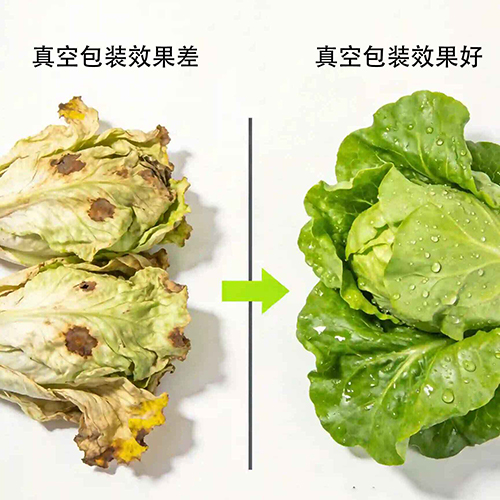
If you have ever faced the frustration of leaky seals, high plastic waste, or vacuum pumps that consume electricity like a small factory, you are not alone. The good news is that a new generation of eco-friendly vacuum packaging equipment is changing the game – not by sacrificing performance, but by redesigning how we apply vacuum technology.
Why Traditional Vacuum Packaging Often Wastes More Than It Saves
Many operators assume that a stronger vacuum equals better shelf life. In practice, oversized pumps and poorly matched chambers lead to three hidden drains:
-
Excessive energy use – Running a 4 kW pump for a small product batch is like driving a truck to buy milk.
-
Material waste – Thick, non-recyclable multilayer pouches are often specified “just to be safe”, even when a thinner certified recyclable film would work perfectly.
-
Maintenance overhead – Frequent oil changes, filter replacements, and unplanned downtime drive up the total cost of ownership.
According to a 2023 survey by the Sustainable Packaging Coalition, nearly 40% of small-to-medium food packagers over-specify their vacuum machinery by at least two performance classes, leading to an estimated 22% higher carbon footprint per package.
The Core Principles of a Truly Eco-Friendly Vacuum System
After analysing dozens of real production lines, three engineering choices stand out as the biggest levers for sustainability:
1. Demand-Based Pump Sizing
Instead of a single large rotary vane pump, modern systems use intelligent dual-pump configurations or oil-free piston pumps that adjust power draw according to chamber volume and product moisture. A well-sized unit can cut energy consumption by 30–50% while maintaining the same vacuum depth (typically 1–2 mbar absolute).
2. Recyclable-Compatible Sealing Bars
Not all sealing bars work well with mono-material PE or PP recyclable pouches. Look for serrated Teflon-coated bars with adjustable cooling time – they create clean, strong seals without overheating the thinner gauge films required for recyclability.
3. Leak Detection as a Standard Feature
A pinhole leak turns a “green” package into a waste generator within days. Entry-level machines often ignore this, but mid-tier vacuum chambers now integrate simple vacuum decay sensors. They reject a pouch before it leaves the machine, saving both product and packaging material.
Step-by-Step: How to Transition Your Line Without Downtime
Moving to greener vacuum technology does not require scrapping your whole line. Here is a practical, low-risk roadmap used by several European co-packers:
- Audit your current vacuum cycles:Measure the actual vacuum level reached and the time the pump runs per cycle. You might find you are pulling 99.9% vacuum when 98% is sufficient, wasting energy for no shelf-life gain.
- Test recyclable pouch samples:Request a roll of certified recyclable PE pouches from your film supplier. Run 100 cycles on your existing machine. If seal strength drops or burn-through appears, note the temperature and pressure settings – these will guide your equipment upgrade criteria.
- Compare pump technologies:Dry (oil-free) pumps eliminate oil disposal and reduce maintenance, but they can be noisier. Oil-lubricated rotary vane pumps are more efficient at deep vacuum levels but need proper waste oil management. Hybrid systems (oil-sealed with automatic oil recirculation) offer a balanced path for medium-volume lines.
- Plan for modular expandability:Choose a platform that allows adding a second chamber, a gas flush module for modified atmosphere packaging (MAP), or a conveyor feeder later. This avoids replacing the whole machine when your volume grows.
If you are evaluating specific technical parameters like pump displacement (m³/h) or chamber depth for your pouch sizes, review the engineering specifications of modular systems that support all three eco-principles mentioned above.
Common Mistakes That Ruin Both Sustainability and Seal Quality
Even with the right equipment, operators often undo its green benefits through small but costly habits:
-
Over-tightening the sealing bar – Crushes the recyclable film’s structure, creating weak points. Correct pressure: just enough to imprint a light pattern.
-
Ignoring moisture traps – Liquid droplets pulled into the pump accelerate oil degradation (in oil pumps) or corrode dry pump rotors. A simple pre-chamber moisture separator is a low-cost add-on.
-
Running the pump after vacuum is reached – Many operators let the pump run 2–3 extra seconds “to be sure”. This wastes power and wears out vanes. Set a precise cut-off timer.
When Should You Consider a Full Equipment Upgrade?
Keep your current machine if:
-
It already achieves your required vacuum level within 20% of the time you consider acceptable.
-
You can source compatible recyclable pouches without modifying sealing parameters.
Consider an upgrade if:
-
Your pump oil change interval is shorter than 3 months (sign of severe moisture or overuse).
-
You cannot find any sealing bar profile that works with mono-material films without burning.
-
Your energy monitor shows the vacuum system accounts for >15% of total line power – a clear sign of oversizing.
For operations that decide to upgrade, explore pre-configured eco lines that combine demand-controlled pumps, leak sensors, and recyclable-film-optimised seal bars in one integrated chassis. These are often more cost-effective than retrofitting individual components.
The Bottom Line: Green Vacuum Packaging Is a Design Choice, Not a Compromise
Leading equipment manufacturers have moved away from “maximum vacuum at any cost” to a more intelligent philosophy: just enough vacuum, just in time, with just the right materials. This shift cuts electricity bills, reduces plastic waste, and lowers your Scope 2 emissions – all while maintaining or even improving product shelf life.
A well-chosen system also future-proofs your business against upcoming regulations. The EU’s Packaging and Packaging Waste Regulation (PPWR), effective 2025, will require all vacuum pouches to be recyclable and place strict limits on energy consumption per packaging cycle. Machines that already support mono-material films and have variable pump control will comply without costly retrofits.
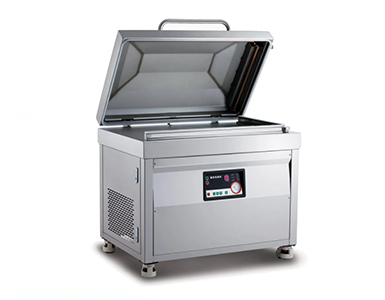
If you are ready to move beyond theoretical advice and want to see how these principles apply to your specific product dimensions and throughput, request a tailored energy-saving calculation from an engineering team that focuses exclusively on sustainable vacuum systems. They can simulate your current energy waste and propose a drop-in solution that pays for itself within 12–18 months.
References:
-
Sustainable Packaging Coalition, “Vacuum Equipment Sizing Survey” (2023).
-
EU PPWR draft technical annex, “Energy efficiency limits for packaging machinery” (2024).
-
Industry interview: frozen berry packer, Poland (operational data used with permission).





 English
 Pусский