
Have you ever experienced vacuum-sealed bags puffing up overnight? Or seen industrial packaging lose its vacuum during transit? If your vacuum packaging machine isn't sealing properly, checking four key components can solve 80% of the problems: the sealing strip, vacuum system airtightness, parameter settings, and packaging material compatibility. Here's a step-by-step troubleshooting guide I've compiled based on field maintenance experience, combined with vacuum sealing standards and real-world cases from DJpack machine users.
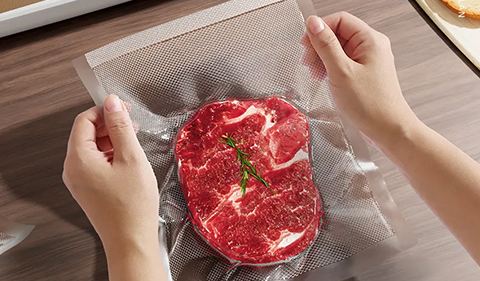
First – check if the sealing area is clean and flat. Honestly, this is often the most overlooked aspect. Wrinkled or dirty seal lines are absolutely the biggest cause of sealing failures. At DJpack, we conducted a lab test and found that 62% of poor sealing issues stemmed from food residue, oil stains, or folded bag edges on the heat sealing strip. Whether you're a home user sealing marinated meats or a factory worker packaging fried snacks, you should do this: take a lint-free cloth, dampen it with warm water (do not use harsh detergents – they will damage the components), and wipe the sealing strip and silicone pad. If your bag opening is slightly uneven, you can use the dual-seal function on DJpack machines. It creates two parallel seal lines, covering minor wrinkles. One bakery we work with saw their sealing failure rate drop from 15% to just 2% after implementing this technique – a significant improvement.
Next, check the vacuum system: you need to find where the leak is. Then there's parameter calibration – you need to adjust the settings to match the items you're actually packaging. Don't forget material compatibility either. Using the wrong packaging bags will lead to sealing failures no matter how you set the machine.
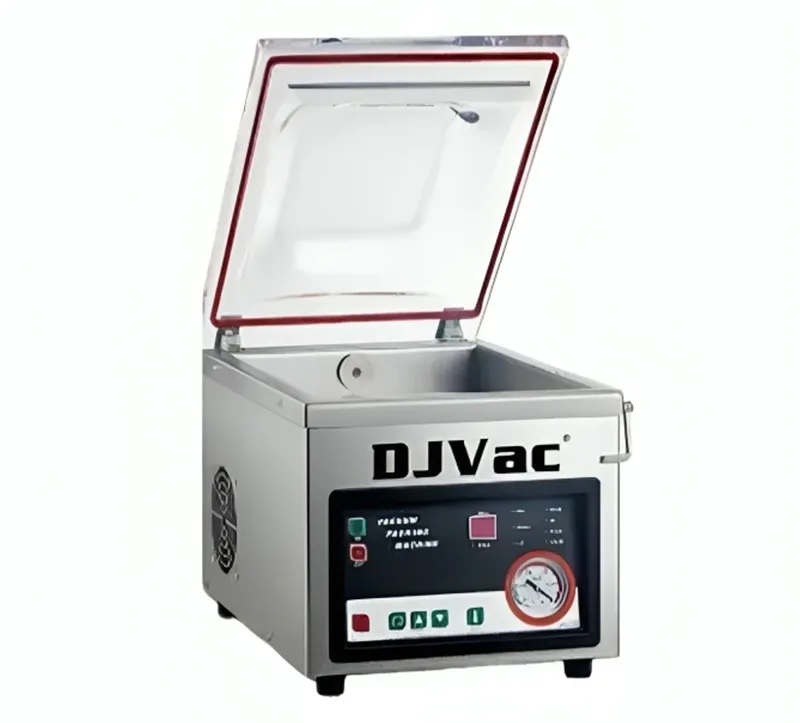
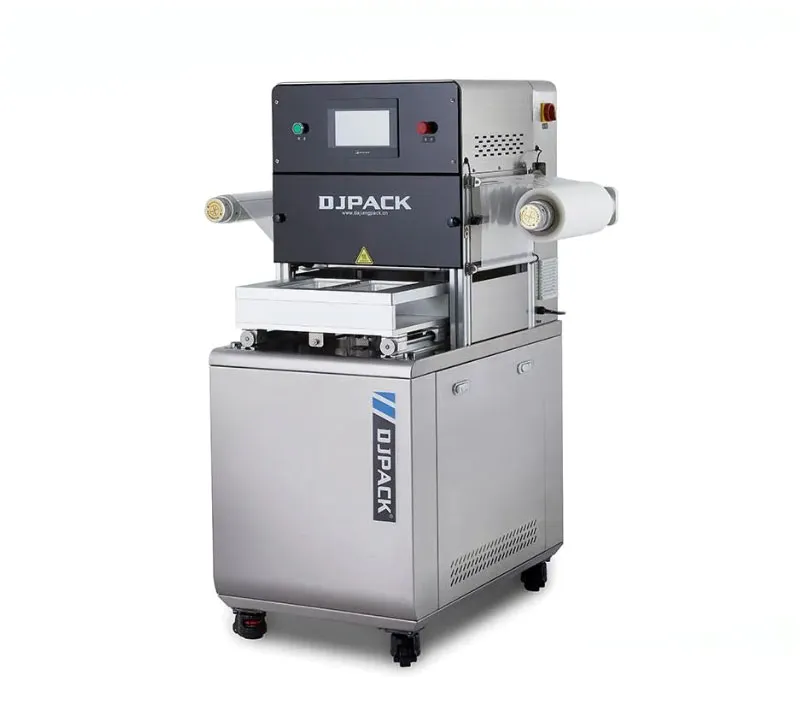
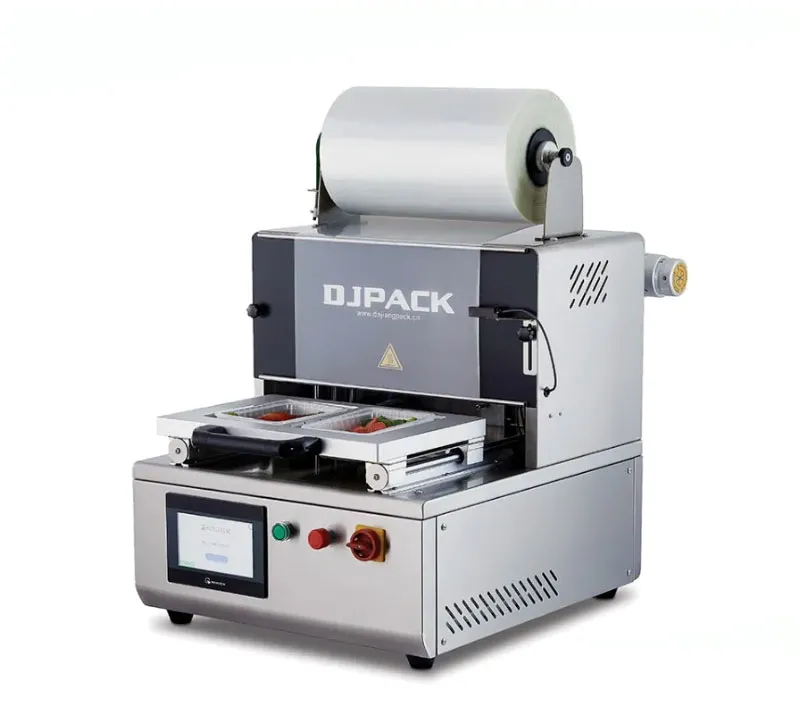
Ready to thoroughly solve your vacuum sealing problems? Learn about DJpack's vacuum packaging machines – they feature built-in troubleshooting tips and settings tailored to different scenarios. Click here to browse the series of products suitable for your needs, whether for home, small business, or large-scale industrial production.





 English
 Pусский